Last reviewed: September 2026
Prime Video advertising gives brands access to premium streaming content together with Amazon’s shopping, browsing and entertainment signals. It can help advertisers reach relevant audiences on connected TVs and other supported devices, even when the advertised product is not sold on Amazon.
The main challenge is choosing the right buying route. Prime Video inventory may be available through Amazon DSP, Amazon’s self-service advertising tools or an agency partner, depending on the advertiser, market, account eligibility and campaign objective.
This guide explains how Prime Video advertising works in 2026, what it costs, how targeting and measurement work, and when Amazon DSP is the right option.
Quick answer: Choose Amazon DSP when you need advanced audience targeting, broader programmatic and streaming-TV inventory, multi-market execution, frequency control and Amazon Marketing Cloud measurement. A self-service route may suit a smaller eligible test, but Prime Video access, formats and budget requirements vary by market and account.
What Are Prime Video Ads?
Prime Video ads are video advertisements delivered within eligible Prime Video content and experiences. Depending on the market, device, content type and buying route, ads may appear before or during programming.
For advertisers, Prime Video combines two valuable capabilities:
Premium streaming environments: Ads appear alongside professionally produced films, series, live sports and other eligible content.
Amazon audience signals: Campaigns can use Amazon’s first-party insights to build relevant audiences and measure outcomes.
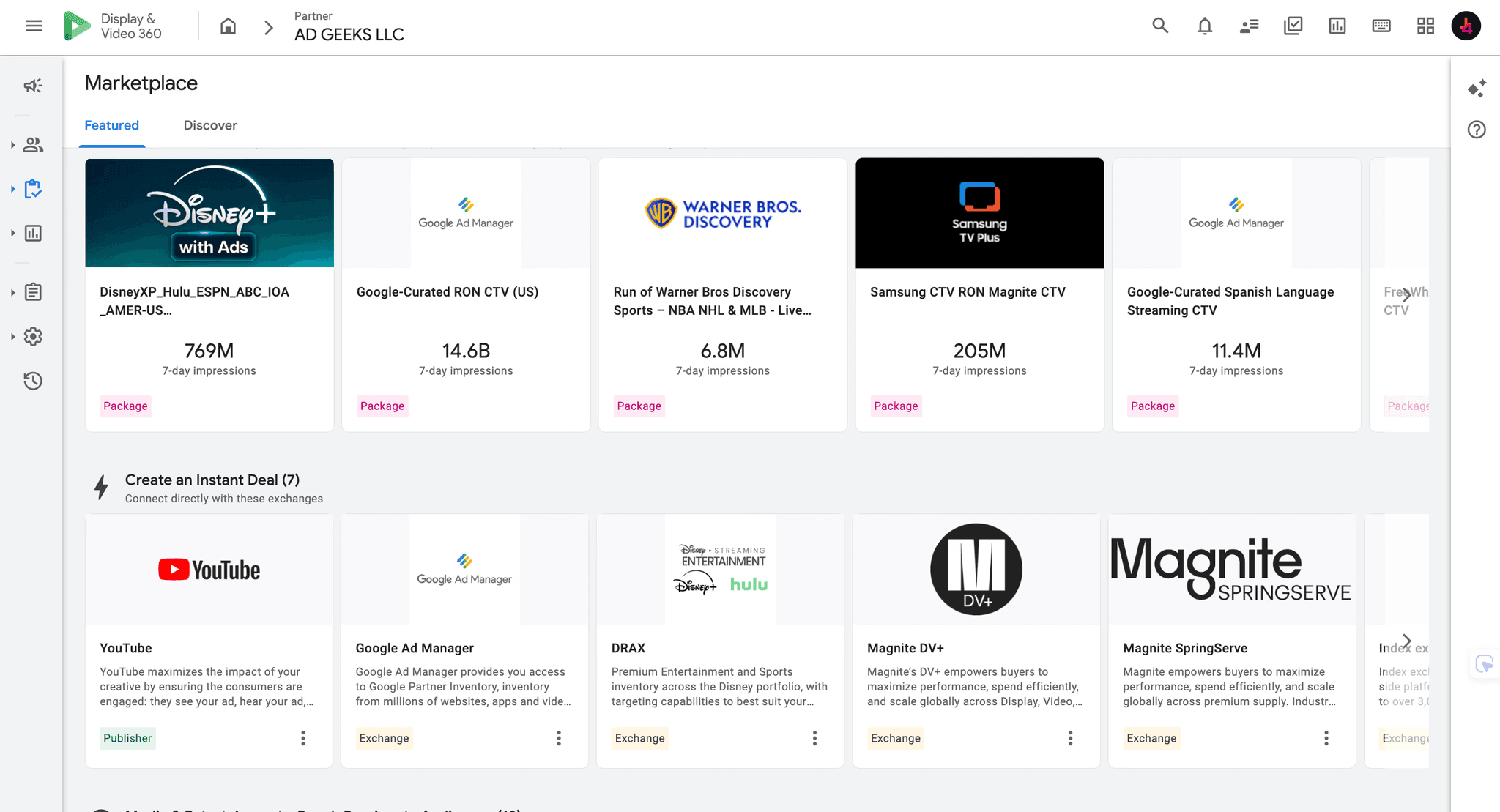
Prime Video should be viewed as part of a wider streaming-TV strategy. Amazon DSP can also provide access to other Amazon-owned and third-party streaming inventory, subject to market and deal availability.
How Can Advertisers Buy Prime Video Ads?
1. Amazon DSP
Amazon DSP is the most capable route for advertisers that need advanced targeting, broader inventory, programmatic controls and detailed measurement.
Advertisers can use Amazon DSP through an eligible direct relationship or through an agency or platform partner. Partner access is often the more practical route for brands that do not meet direct-service requirements or do not have an internal programmatic trading team.
Amazon DSP is best suited to advertisers that need:
Amazon first-party audience signals;
Prime Video and broader Streaming TV planning;
cross-device and multi-channel campaigns;
frequency management across eligible inventory;
custom audiences and advertiser first-party data activation;
Amazon Marketing Cloud analysis;
self-service, hybrid or fully managed campaign execution.
2. Amazon Ads Self-Service Tools
Amazon offers self-service campaign options for eligible advertisers and markets. These can provide a lower-friction way to test Streaming TV, but the available Prime Video placement, audience, reporting and creative options may differ from Amazon DSP.
Do not assume that every Amazon Ads account automatically includes the same Prime Video inventory. Confirm the following before building a media plan:
whether Prime Video inventory is available in the target market;
whether the account and advertiser category are eligible;
which audience and measurement options are included;
which video lengths and technical specifications are accepted;
whether the campaign can be optimized and frequency-capped at the required level.
3. Managed Service or Agency Access
A managed-service or agency model is useful when the advertiser needs strategic planning, platform access, campaign setup, optimization and reporting without hiring an in-house programmatic trader.
A strong partner should explain the platform fee, media cost, data and measurement costs, campaign-management fee, account structure and reporting access separately.
Amazon DSP vs Self-Service Access
Area | Amazon DSP | Self-Service Amazon Ads Route
|
Best for | Advanced campaigns, larger tests, multiple markets and sophisticated measurement | Simpler campaigns and lower-friction testing where eligible |
Inventory | Prime Video plus broader eligible Amazon and third-party programmatic inventory | Inventory varies by product, market and account eligibility |
Targeting | Advanced Amazon audiences, contextual options, remarketing and advertiser audiences | More standardized audience options |
Control | Detailed campaign structure, deals, frequency and optimization controls | Simpler setup and fewer advanced controls |
Measurement | DSP reporting and, where eligible, Amazon Marketing Cloud and advanced studies | Standard campaign reporting; advanced capabilities vary |
Operating model | Direct, partner self-service, hybrid or managed | Advertiser self-service |
How Much Does Prime Video Advertising Cost?
There is no single public Prime Video CPM or universal minimum budget that applies to every advertiser. Cost depends on the market, audience, inventory, seasonality, deal type, creative format, campaign length and buying route.
A complete budget can include:
Media spend: The amount used to buy impressions.
DSP or platform fee: The technology cost associated with the buying platform.
Campaign-management fee: Charged when an agency or managed service operates the campaign.
Audience or data fees: Applicable to certain third-party segments or data services.
Verification and measurement: Brand-safety, viewability, lift or other measurement costs where applicable.
Creative production: Video editing, versioning, localization and technical adaptation.
Important: Separate a provider’s contractual minimum from the practical budget required to achieve sufficient reach and learn from the campaign. A technically permitted budget may still be too small for the target audience, geography or measurement objective.
How to Set a Practical Test Budget
Start with the audience size, target markets, campaign length and required reach. Then estimate how many impressions are needed to reach the audience at a controlled frequency.
A useful test plan should be large enough to:
run for several weeks rather than a few days;
reach the intended audience more than once without excessive repetition;
compare at least two meaningful audience or creative approaches;
produce enough data for optimization;
support the selected measurement method.
Ask the buying partner to provide a forecast showing estimated reach, frequency, impressions, CPM assumptions, fees and measurement costs before launch.
Where Do Prime Video Ads Appear?
Placement depends on the market, content rights, device and campaign setup. Prime Video inventory can include eligible films, series, live content and other streaming experiences.
Ads may be viewed on:
smart TVs;
streaming devices such as Fire TV;
game consoles;
mobile devices;
desktop and laptop browsers;
other supported Prime Video devices.
Connected-TV delivery is especially valuable for large-screen reach, but advertisers should check device reporting and completion rates rather than assuming every impression occurs on a television.
Prime Video Ad Formats
Available formats vary by country and buying route. Common video opportunities can include:
Pre-roll video: Played before eligible content.
Mid-roll video: Played during eligible long-form content or live programming.
Interactive or shoppable features: Available in selected environments and markets.
Pause-screen or display-led experiences: Availability depends on the market and Amazon product offering.
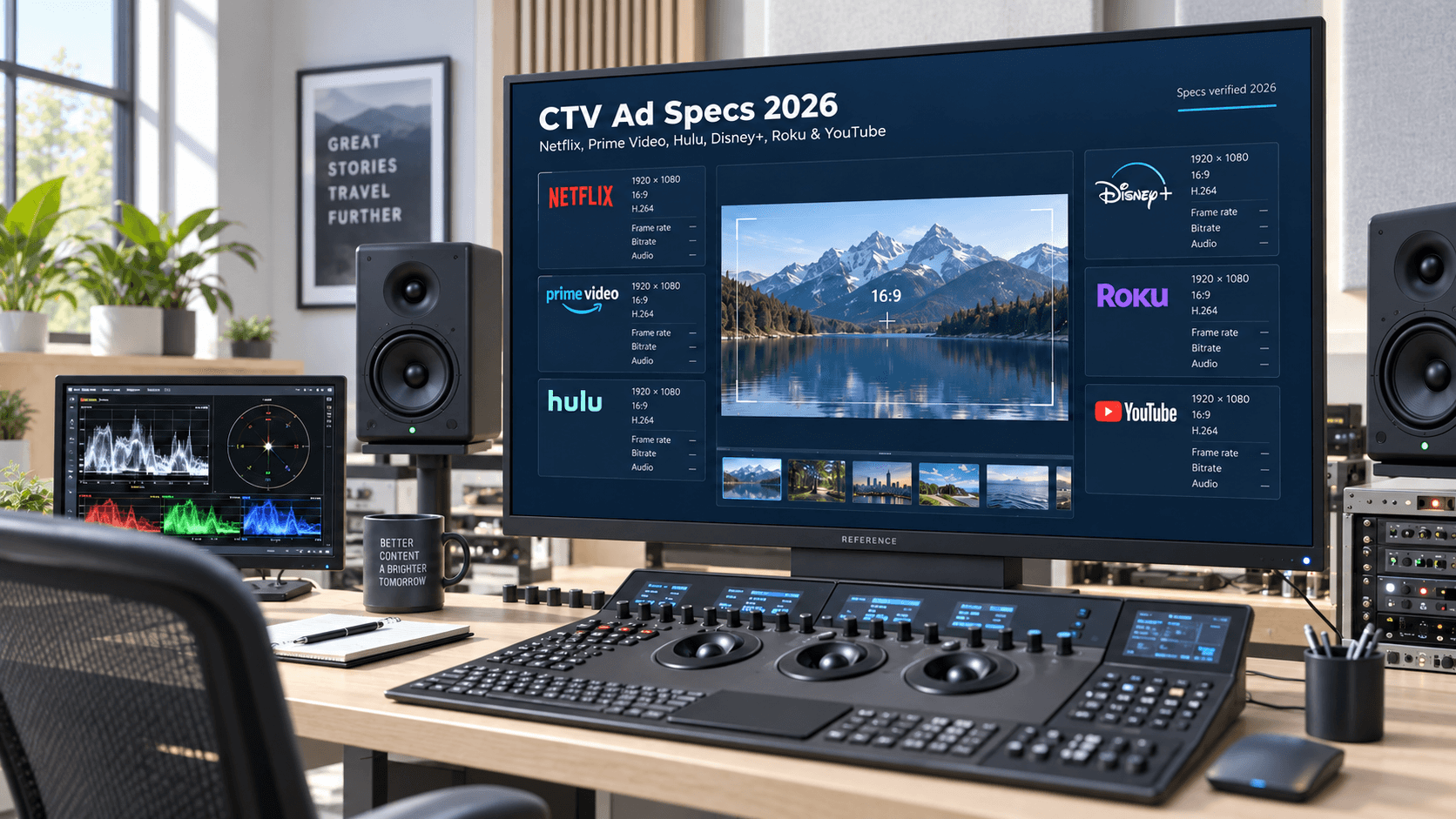
Creative specifications can change. Confirm the current file format, duration, aspect ratio, audio, captioning, bitrate and approval requirements before production is finalized.
Prime Video Targeting Options
Amazon Audience Signals
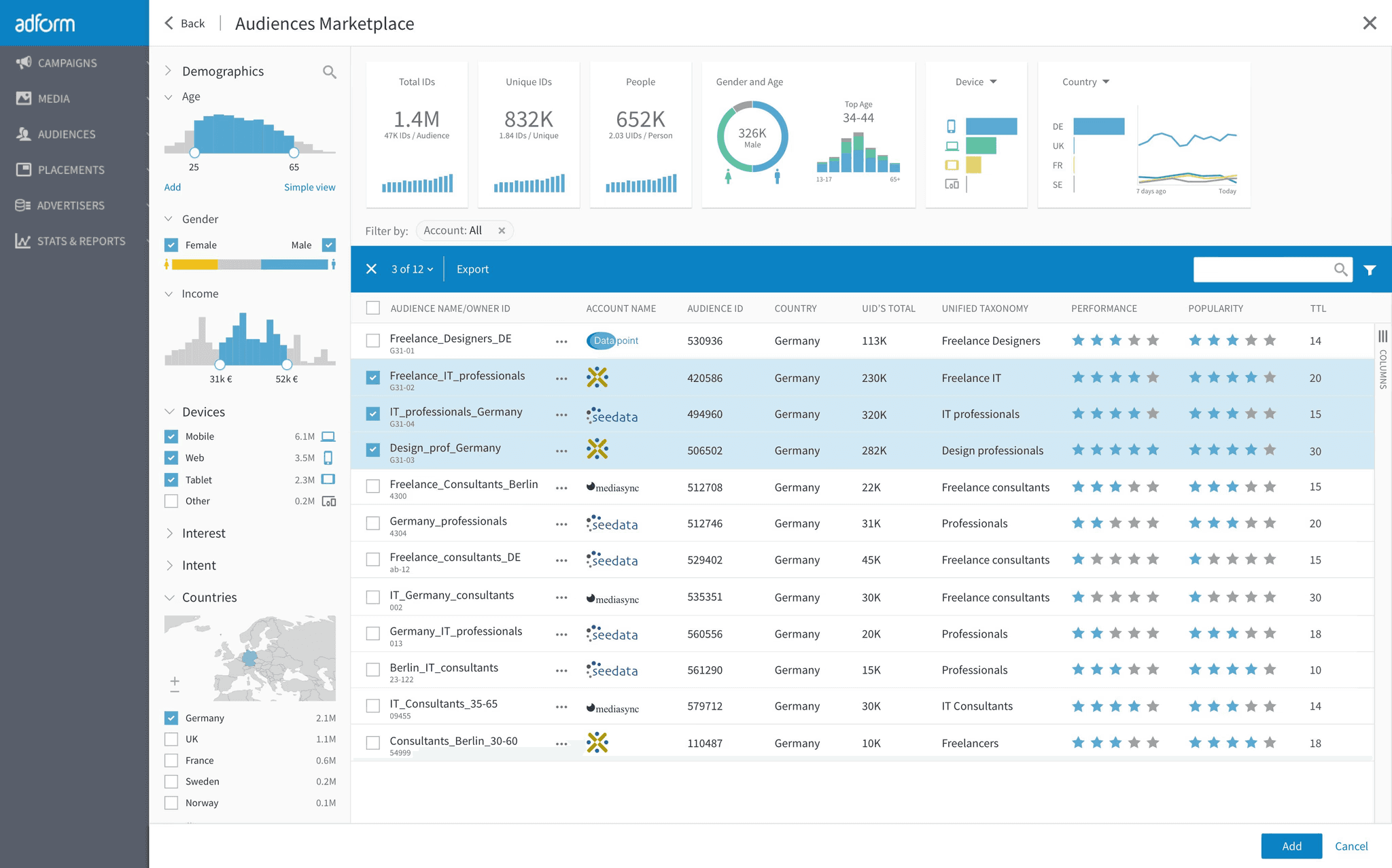
Amazon DSP can use Amazon’s first-party insights to help advertisers reach audiences based on relevant shopping, browsing and entertainment behaviors. The exact audiences available depend on the country, advertiser and campaign.
Examples may include:
in-market audiences;
lifestyle and interest audiences;
demographic audiences where permitted;
audiences based on relevant Amazon interactions;
streaming and entertainment-related audience signals.
Contextual Targeting
Contextual targeting aligns an advertisement with relevant content categories or viewing environments rather than relying only on individual-level behavior.
This can help advertisers improve relevance while maintaining a privacy-conscious strategy.
Advertiser First-Party Audiences
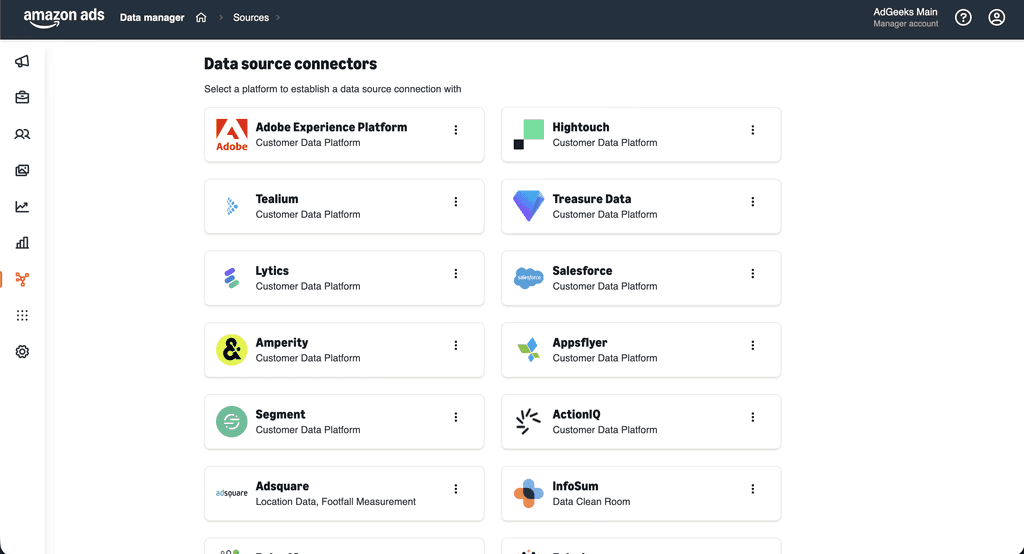
Eligible advertisers can use their own customer or prospect data for activation, suppression and analysis, subject to consent, privacy requirements and platform policies.
Common use cases include:
excluding existing customers from acquisition campaigns;
reaching high-value customer groups;
building modeled or similar audiences where available;
comparing exposed and non-exposed groups;
analyzing audience overlap in Amazon Marketing Cloud.
Remarketing
Remarketing can reconnect with people who have previously interacted with the advertiser, subject to the available signals, privacy rules and campaign setup.
For television campaigns, remarketing should complement—not replace—prospecting and incremental-reach planning.
How Prime Video Campaigns Are Measured
The right measurement framework depends on the campaign objective. A brand-awareness campaign should not be judged only by immediate last-click sales, while a performance campaign needs more than impressions and video completions.
Delivery and Video Metrics
impressions;
unique reach;
average frequency;
video starts and completions;
video completion rate;
device and placement delivery;
CPM and cost per completed view where relevant.
Business-Outcome Metrics
website visits and qualified sessions;
product-detail-page views;
add-to-cart and purchase activity where measurable;
new-to-brand metrics for eligible Amazon retail campaigns;
lead generation or offline outcomes where the measurement design supports them;
brand lift, search lift or other studies where available.
Amazon Marketing Cloud
Amazon Marketing Cloud is a privacy-safe clean-room environment that can help eligible advertisers analyze event-level signals and answer questions that standard campaign reports cannot fully address.
Potential analyses include:
how Prime Video exposure overlaps with display or other streaming campaigns;
the sequence of touchpoints before a conversion;
reach and frequency across campaigns;
performance among new versus existing customers;
the contribution of different audience groups.
AMC does not automatically solve attribution. Before launch, define the business question, required inputs, lookback window and success criteria.
Prime Video vs Netflix vs YouTube Connected TV
For a deeper platform-specific comparison, see our guide to Netflix advertising through programmatic buying.
Platform | Primary Advantage | Best Fit
|
Prime Video | Premium content combined with Amazon audience and commerce signals | Advertisers that value Amazon audiences, DSP activation and cross-channel analysis |
Netflix | Premium entertainment environment and distinctive subscriber reach | Brands seeking high-quality streaming reach in supported markets |
YouTube on CTV | Large video reach, broad creative ecosystem and Google audience tools | Advertisers prioritizing scalable video reach and integration with Google media |
The best option is not always a single platform. A strong CTV plan can combine platforms to improve incremental reach while managing duplication and frequency.
Example Prime Video Campaign Plan
For a real activation example, review the BANZ USA Amazon DSP case study.
Consider a direct-to-consumer home brand launching in two markets.
Objective
Build qualified reach and increase branded visits among high-intent households.
Audience Strategy
relevant Amazon in-market and lifestyle audiences;
contextual audiences aligned with the product category;
advertiser customer suppression;
a separate remarketing audience for lower-funnel messaging.
Creative Strategy
a concise brand-led video for prospecting;
a product- or offer-led variation for remarketing;
clear branding in the opening seconds;
captions and safe-area checks for supported devices.
Measurement Plan
unique reach and frequency;
completed views;
qualified site visits;
new customer or conversion indicators where measurable;
cross-channel path and overlap analysis in AMC where eligible.
The campaign should launch with agreed optimization rules. For example, the team can review audience delivery, frequency, completion rate and site behavior weekly, then reallocate budget without changing several variables at once.
How to Launch a Prime Video Campaign
1. Define the Business Objective
Choose one primary objective: incremental reach, brand awareness, product consideration, qualified website traffic or measurable sales activity.
2. Confirm Market and Inventory Availability
Prime Video advertising availability and formats vary. Verify the target countries, eligible inventory, devices and content before creative production.
3. Choose the Buying Route
Decide whether self-service access is sufficient or whether the campaign requires Amazon DSP, an agency partner or managed execution.
4. Build the Audience Plan
Separate prospecting, contextual, customer, suppression and remarketing audiences. Avoid creating too many small segments that cannot achieve meaningful reach.
5. Prepare and Approve Creative
Confirm technical specifications early. Leave time for platform review, revisions, localization and captioning.
6. Create a Transparent Budget and Fee Plan
Document the media budget, platform fees, management fees, data costs, measurement costs and creative costs separately.
7. Define Measurement Before Launch
Agree on primary and secondary KPIs, attribution windows, reporting cadence and any lift or AMC analysis before the first impression is served.
8. Control Frequency and Optimize
Monitor reach and repetition by market, audience, device and campaign. High completion rates do not justify excessive frequency.
AdGeeks provides self-service, hybrid and fully managed Amazon DSP support. Share your target market, objective and estimated budget to receive a recommended Prime Video and Streaming TV setup.
Frequently Asked Questions
Can Any Business Advertise on Prime Video?
Eligibility depends on the market, advertiser category, buying route and Amazon Ads account. Businesses that do not sell on Amazon may still be eligible for Amazon DSP and streaming-TV advertising. Confirm current requirements before planning the campaign.
Do I Need Amazon DSP to Buy Prime Video Ads?
Not always. Some advertisers may have eligible self-service options, but Amazon DSP generally provides the most advanced audience, inventory, frequency and measurement capabilities. Availability varies by country and account.
What Is the Minimum Spend for Prime Video Advertising?
There is no single universal minimum that applies to every route, market and advertiser. Direct managed service, self-service tools and partner access can have different requirements. Ask for both the contractual minimum and the practical recommended budget for the intended reach and measurement plan.
What Is the Average CPM for Prime Video Ads?
Amazon does not provide one universal CPM for every Prime Video campaign. CPM varies with market, audience, inventory, seasonality, deal type and demand. Request a forecast based on the actual campaign setup rather than relying on a generic benchmark.
Can Advertisers Use Amazon Shopping Data?
Amazon DSP offers eligible Amazon audience signals that can help advertisers reach relevant groups. Exact audience availability and permitted use depend on the market, advertiser and policy requirements.
Can Brands That Do Not Sell on Amazon Use Prime Video Ads?
Yes, eligible non-endemic advertisers can use Amazon Ads products, including Amazon DSP, even when the product or service is not sold on Amazon. Examples can include travel, financial services, telecommunications and other categories, subject to policy and market availability.
Are Prime Video Ads Skippable?
The viewer experience can vary by content, device, market and ad product. Confirm the current format and placement details during campaign planning instead of assuming one universal behavior.
How Long Should a Prime Video Ad Be?
Accepted durations depend on the placement and market. Short, clear creative generally works best for streaming environments, but the media team should confirm current technical specifications before production.
How Is Prime Video Advertising Different From Traditional TV?
Prime Video advertising uses digital audience selection, programmatic delivery and campaign reporting. It can provide more granular targeting and measurement than traditional linear-TV buying, although measurement still depends on the available signals and campaign design.
Can Prime Video Ads Drive Direct Sales?
They can contribute to sales, site visits and other outcomes, but streaming TV often plays an upper- and mid-funnel role. Evaluate both immediate conversions and broader reach, consideration and assisted outcomes.
Should Prime Video Be Used Alone or With Other Channels?
Most advertisers should coordinate Prime Video with search, display, online video, social or other streaming platforms. Cross-channel planning can increase incremental reach and give interested viewers a clear next step.
Is Prime Video Advertising Right for Your Brand?
Prime Video is a strong option when a brand needs premium streaming reach, Amazon audience signals and a measurement framework that goes beyond basic video delivery. It is not automatically the best choice for every campaign. Smaller advertisers should first confirm market eligibility, audience size, creative readiness, practical budget and the buying model required to operate the campaign well. The most effective plan starts with the business objective, then selects the buying route, inventory, audience, creative and measurement approach that support that objective.
AdGeeks helps advertisers and agencies access Amazon DSP through self-service, hybrid and fully managed models.
Tell us your markets, audience, objective and approximate media budget. We’ll recommend the right Amazon DSP and Streaming TV setup for your campaign.